Professional El Cajon Top Paver Installation with Long-Lasting Results
Revolutionize Your Outdoor Setting: Professional Landscaping Guidance for an Exceptional Home Garden
Transforming an outdoor space into a beautiful residential landscape involves careful planning and deliberate implementation. By assessing the distinct features of a yard, individuals can establish definitive garden objectives. Selecting plants suited to the local climate is critical. Additionally, adding practical hardscape features enhances both beauty and functionality. However, the journey doesn't end there. Learning how to preserve vibrancy and sustainability can enhance any outdoor space to the greater heights. Which strategies will result in lasting success?
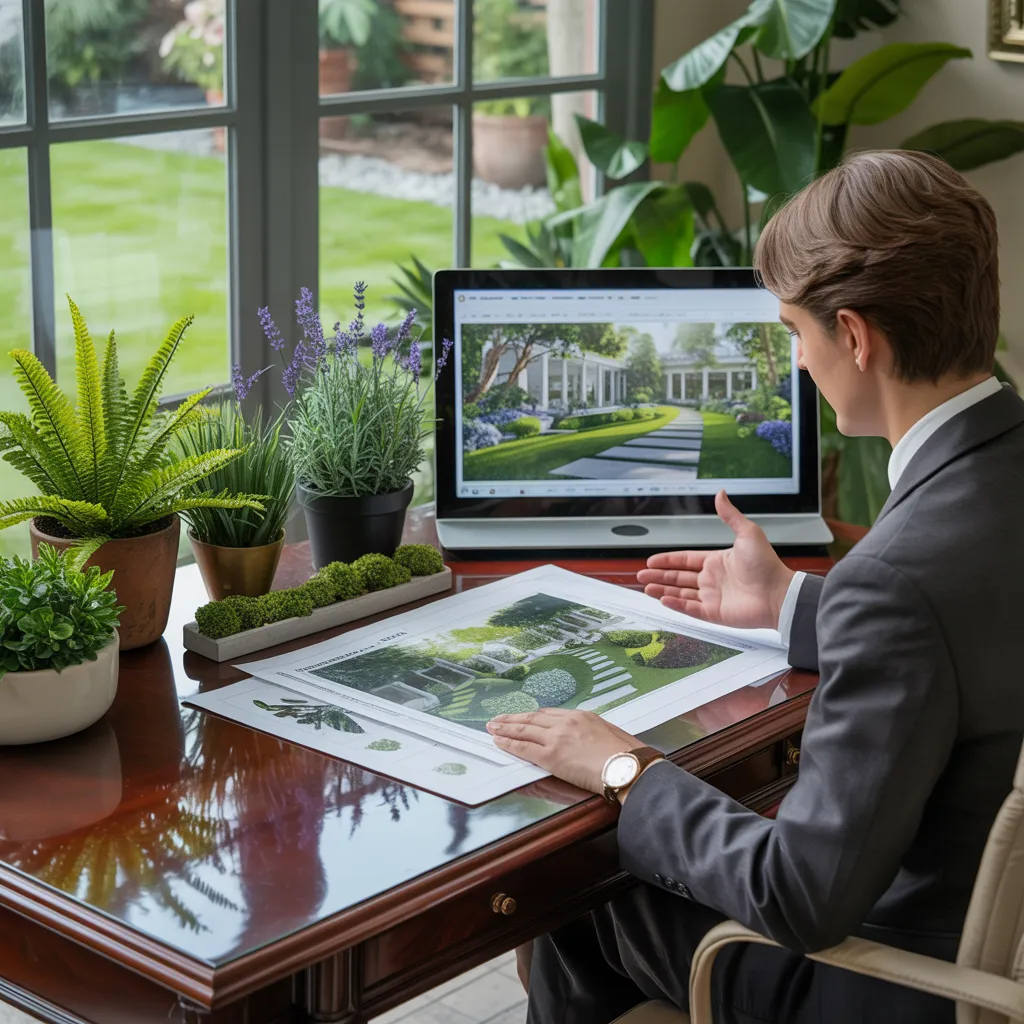
copyrightine Your Property to Determine Your Landscaping Objectives
Before commencing any garden renovation, it is critical for residents to completely assess their outdoor space. This preliminary assessment enables them to grasp the unique features of their yard, including sun conditions, ground quality, and current plants. Recognizing these aspects supports in determining what types of landscape features and design can be effectively incorporated into the environment.
Homeowners should take dimensions and note any barriers such as trees, barriers, or pathways that may influence the layout. Additionally, understanding personal preferences and lifestyle needs—such as entertainment spaces, plant cultivation, or leisure—can direct the landscaping goals. By clearly defining these objectives, homeowners set a solid foundation for a cohesive and functional exterior area. This thoughtful evaluation leads to a greater and satisfying garden renovation, ensuring the exterior environment enhances not only the home's aesthetic but furthermore fulfills the functional requirements of its residents.
Choose the Right Vegetation for Your Regional Conditions
Picking the right plants for a specific climate is vital for establishing a flourishing exterior environment. Comprehending regional climate conditions, including heat levels, precipitation, and humidity, helps property owners select plants that will flourish. Indigenous vegetation often adapt best, requiring less upkeep and irrigation. For copyrightple, drought-resistant varieties are perfect for dry climates, while moisture-loving species flourish in humid climates.
Gardeners should further take into account seasonal changes; choosing plants that provide year-round interest improves the garden. Spring-flowering plants, summer perennials, and vibrant fall foliage can develop a striking visual display. Additionally, speaking with neighborhood nurseries or extension services can offer helpful information into hardy plant varieties suited to particular regions.
Finally, a well-planned plant selection enhances not just visual appeal but also promotes local wildlife and promotes ecological health, making it a wise choice for any outdoor space transformation.
Elevate Your Garden Through Useful Hardscape Additions
Functional hardscaping elements serve as essential components in defining outdoor spaces and maximizing their practicality. By incorporating seating areas and professionally planned walkways, homeowners can create inviting environments that encourage relaxation and movement. Additionally, borders can help delineate different zones within the garden, adding structure and visual interest.
Establish Your Garden Setting
Creating a carefully planned outdoor space can transform a garden into an inviting retreat. One effective way to achieve this is through practical hardscape features, which establish structure and organization. Pathways made from stone or brick guide visitors while adding visual interest. Support walls can establish layered heights, improving the landscape's appearance and stopping soil loss. Barriers or lattices can mark borders, ensuring seclusion and a feeling of containment. Adding elevated planting areas not only defines planting areas but also makes them more accessible. These elements function together to establish separate areas that enhance both aesthetics and functionality. Ultimately, a well-defined outdoor space fosters a serene environment where homeowners can unwind and appreciate the outdoors.
Add Seating Zones
Incorporating sitting zones into an outdoor space greatly improves its functionality and appeal. By adding practical hardscape features, homeowners can create inviting spots for relaxation, socializing, or enjoying nature. Choices range from benches, outdoor furniture, or hanging seats, each adding to the landscape's visual appeal and coziness. Thoughtfully positioning chairs near key areas like garden displays or fountains, prompts visitors to interact with their environment. Additionally, using materials like stone or wood can match the landscape's style, maintaining visual unity. Overhead coverings, such as arbors or parasols, offer relief during warmer months, making these areas usable year-round. Ultimately, expertly crafted sitting zones convert a standard yard into a welcoming retreat for family and friends.
Establish Walkways And Edges
Borders and pathways function as vital aspects in exterior planning, directing explorers throughout the garden while reinforcing its design strength. They foster organization and flow, supporting the recognition of multiple zones and vegetation selections. Brick, stone, or gravel options can establish durable routes, while borders derived from ornamental fencing or shrubs boost aesthetic appeal. Pathways can encourage wandering, highlighting spots such as planting areas or water installations. Well-maintained borders minimize unwanted vegetation and landscape erosion, promoting garden vigor. When combined, pathways and borders increase functionality while increasing aesthetic refinement of your outdoor area, making settings more appealing and enjoyable.
Build Flow Using Walkways and Sitting Zones
A carefully organized outdoor environment frequently presents a natural flow produced through strategically positioned walkways and seating spaces. Walkways navigate visitors within the garden, forming a distinct sense of progression while boosting the complete aesthetic quality. Incorporating choices like stone, wood, or gravel can enhance the walkway's charm and guarantee longevity.
Seating zones supply stopping places, welcoming people to rest and savor the setting. Placing seating thoughtfully near key features, such as a pond or a garden bed, inspires connection with the landscape. The type of seating—stools, benches, or even recliners—may shape the feeling, whether it be informal or elegant.
Incorporating both pathways and seating fosters an inviting environment, enhancing usability and enjoyment. Together, they create a seamless shift between different areas of the garden, promoting exploration and relaxation, ultimately transforming any outdoor space into a tranquil retreat.
Infuse Your Garden With Seasonal Color and Texture
To strengthen the visual attractiveness of a landscape, deliberate curation of seasonal plantings is essential. Blending diverse textural characteristics can introduce layers and fascination, meanwhile deliberately arranged focal areas can command views and forge a balanced plan. Each feature together ensure a vibrant and dynamic garden environment during the entire consult this source year.
Decide on Season-Specific Plants Judiciously
Choosing seasonal plants with care can turn your garden into a magnificent tapestry of colors and textures. By selecting plants with staggered bloom cycles, gardeners can guarantee a continuous display of beauty. Spring bulbs, summer color providers, fall-flowering perennials, and winter evergreens each deliver unique color palettes and structures to the landscape. It is essential to take into account local environmental conditions and ground composition, as well as the plants' growth habits. Native plant varieties often succeed with less maintenance effort, enhancing biodiversity. Additionally, combining plants with varying heights and bloom times can establish an eye-catching visual effect. Ultimately, careful consideration fosters a landscape that evolves seasonally, delivering enjoyment throughout the entire year.
Establish Textured Layers To Generate Dimensional Appeal
Generating garden depth calls for layering textures that complement and enhance seasonal color. By incorporating a variety of plants with differing foliage shapes, sizes, and colors, one can achieve a visually dynamic landscape. For instance, the use of broad-leaved plants alongside fine-textured grasses can create contrast and intrigue. Additionally, weaving in bark, gravel, and ecological materials introduces tactile elements that enrich the overall experience. Seasonal blooms should be thoughtfully placed to deliver color highlights across all seasons, ensuring that each layer remains visually interesting. This strategic plan not only draws the eye across the garden but also fosters an immersive atmosphere where all components add to the aesthetic beauty and order.
Incorporate Focal Points Strategically
Strategically incorporating focal points can markedly enhance a garden's aesthetic appeal and seasonal vibrancy. These primary focal elements serve as anchors that draw the eye and create a cohesive design. Gardeners can utilize pieces such as monuments, decorative specimens, or striking beds to establish visual magnetism. Seasonal color can be infused through the careful selection of plants that bloom at different times, ensuring that the garden remains dynamic throughout the year. Textural elements also play a significant role; combining smooth stone paths with rough bark or lush foliage provides dimension. By carefully positioning these details, a gardener can construct a hospitable setting that inspires investigation and admiration, converting an area into a captivating haven.
Adopt Sustainable Approaches for a Thriving Garden
Adopting green practices is necessary for growing a vibrant garden that performs well in sync with the environment. Plant enthusiasts are advised to use naturally-occurring flora, which need lower moisture and attention while supporting regional wildlife. Adopting sustainable horticultural practices, like nutrient enrichment and natural pest control, can significantly reduce synthetic chemicals, creating a stronger biological community.
Water-efficient strategies, such as targeted watering systems and water collection systems, strengthen green practices by optimizing resource efficiency. Using mulch layers conserves soil water plus reduces weed growth, decreasing the need for synthetic herbicides. Additionally, supporting plant variety by including a variety of plants promotes resistance against insects and plant diseases.
Soil health is vital; methods such as crop rotation and soil-covering plants maintain nutrient balance excluding artificial nutrients. By utilizing such sustainable strategies, gardeners can establish a flourishing environment that fosters vegetation and environmental health, creating a more satisfying gardening pleasure.
Address Frequent Issues to Maintain All-Season Garden Aesthetics
A carefully-tended garden can encounter various challenges year-round, altering its overall visual appeal as well as health. Typical problems encompass pest issues, lacking minerals, and limited water. Detecting pests promptly is essential; horticulturists should routinely copyrightine plant parts for signs of damage plus address infestations applying natural pesticides or else incorporating predatory insects.
Insufficient nutrients frequently show as yellow foliage or slow growth. Performing soil assessments can assist identify individual necessities, allowing for targeted fertilization to return equilibrium. Furthermore, securing proper irrigation is important; excessive watering can result in root rot, on the other hand too little water stresses plants.
Seasonal changes also require changes to maintenance. In winter, mulching guards plant roots against freezing temperatures, whereas warm months may demand higher water needs and partial shade to protect sensitive plants. By addressing these typical problems promptly
Is it Better to Handle Garden Design Myself or Bring in a Expert?
You can absolutely manage landscaping projects by yourself, leveraging internet information and your creativity. Yet, employing a specialist guarantees proficiency, productivity, and potentially superior results, particularly for complicated projects or bigger undertakings that need specialized skills.
What Implements Do You Must Have for Home Garden Work?
Important tools for yard landscaping include a rake, garden shovel, shovel, trimming shears, garden cultivator, and a irrigation hose or garden watering can. These items support productively maintain earth, vegetation, and complete garden maintenance, delivering professional landscaping.
What's the Most Effective Strategy to Care for My Garden Area Across the Seasons?
To care for a yard year-round, one should routinely shape vegetation, add garden mulch for thermal protection, watch water levels, and establish seasonal planting plans. Furthermore, pest prevention and soil fertilization are essential for vigorous, healthy vegetation.